
Presenter: Paul T. Callister, Ph.D., CMHC, CGP
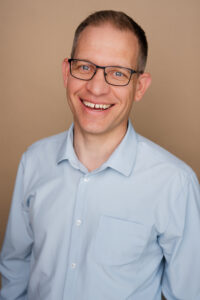
Paul is a Licensed Clinical Mental Health Counselor and Certified Group Psychotherapist who specializes in group therapy. He earned his Ph.D. in Counselor Education from Oregon State University in 2022 and his M.Ed. in Counseling from the University of Utah in 2010. Dr. Callister has extensive clinical experience in diverse settings including the Utah State Prison, community mental health, and private practice. He currently owns and operates Utah Group Therapy Center and Bountiful Counseling in Bountiful, Utah, where he leads weekly interpersonal process groups using a modern group analytic approach. Dr. Callister is training at the Center for Group Studies in New York City, holds the Certified Group Psychotherapist credential, and teaches group counseling in the CMHC program at Utah Valley University. His work is grounded in the belief that the group becomes a living laboratory for life, where learning to engage authentically, navigate conflict, and risk connection creates change that extends far beyond the therapy room.
Presentation: We Don’t Heal in Isolation – The Power of Group Connection in Trauma Recovery
Group therapy is uniquely positioned to support trauma recovery because it offers something individual therapy cannot: real-time relational experience. Yet many clinicians struggle to move groups beyond a series of individual check-ins toward meaningful member-to-member connection. This presentation introduces the bridging technique, a foundational group facilitation skill that helps therapists shift the focus from leader-member dialogue to authentic interaction between group members. Participants will learn how bridging fosters emotional engagement, reduces isolation, and transforms the group into a living interpersonal system where relational patterns can be experienced, understood, and reshaped. Through a live demonstration group, attendees will observe how intentional interventions can deepen connection, invite vulnerability, and support co-regulation in ways that are consistent with trauma-informed principles of safety, trust, and empowerment. The session will conclude with a structured debrief, clinical application discussion, and time for questions, equipping clinicians with practical tools to help their groups become spaces where healing happens in relationship, not in isolation.