Category

Uncategorized

Hearing on Identifying, Preventing, and Treating Childhood Trauma: A Pervasive Public Health Issue that Needs Greater Federal Attention

By Uncategorized No Comments

On Thursday, July 11th, at 10am the Committee on Oversight and Reform had a hearing on Identifying, Preventing, and Treating Childhood Trauma: A Pervasive Public Health Issue that Needs Greater Federal Attention. The Committee heard directly from trauma survivors, from public health experts, and government officials in order to discuss the long term consequences of trauma an

d the insufficiency of the federal government’s actions thus far. The Committee also heard from experts on the prevalence of childhood trauma and why it is imperative to take initiative on a federal level both on the treatment of trauma and on the prevention of trauma. 

The purpose of this hearing is not only to give survivors of trauma a voice, but also to discuss the importance of increasing federal funds for the prevention and treatment of trauma. To watch the full hearing, click here.

EEG Biofeedback: A more natural approach to mental health and trauma healing

By Uncategorized No Comments

Check out our TICN monthly presentation from July 2019!

A body of rigorous research into the efficacy of neurofeedback for the healing of mental health issues and trauma exists and is growing. Historically there has been a treatment emphasis on brain neurochemical interventions, not neuroelectric. Neurofeedback has potential to treat any significant neurological and psychiatric disorders in a way that is free from long term side-effects. Effectiveness in some hard to treat populations is promising. Frequently long-lasting effects are seen, as evidenced with PTSD and SPECT brain scans. Neurofeedback’s application is not only focused on deficits but has an application to peak performance in athletes, musicians and elites. The implications and outcomes are profound both scientifically and clinically.

  1. Brief History  
  2. Othmer Method- client centered model of brain regulation and stabilization
  3. Training types- 
  • Infra Low Frequency (Awake State)
  • Synchrony (EEG guided mindfulness)
  • Alpha-Theta (Deep State)
  1. Treatment in use of refractory or non-responsive diagnosis and co-morbid conditions
  2. Application to trauma informed therapeutic settings in correlation to EMDR and compassion fatigue prevention
  3. Limitations of neurofeedback
  4. Q&A

EEG Biofeedback/Neurofeedback: a non-pharmaceutical approach to mental health and trauma.

A body of rigorous research into the efficacy of neurofeedback exists and is growing. Historically there has been a treatment emphasis on brain neurochemical interventions, not neuroelectric. Neurofeedback has potential to treat any significant neurological and psychiatric disorders in a way that is free from long term side-effects. Effectiveness in some hard to treat populations is promising. Frequently long-lasting effects are seen, as evidenced with PTSD and SPECT brain scans. Neurofeedback’s application is not only focused on deficits but has an application to peak performance in athletes, musicians and elites. The implications and outcomes are profound both scientifically and clinically.Presentation Overview:Brief History Othmer Method- client centered model of brain regulation and stabilizationTraining types- Infra Low Frequency (Awake State)Synchrony (EEG guided mindfulness)Alpha-Theta (Deep State)Treatment in use of refractory or non-responsive diagnosis and co-morbid conditionsApplication to trauma informed therapeutic settings in correlation to EMDR and compassion fatigue preventionLimitations of neurofeedbackQ&A

Posted by Trauma Informed Care Network – TICN on Saturday, July 13, 2019


Presenter: Danielle Musick, Certified Othmer Method neurofeedback provider and psychotherapist at Healing Pathways Therapy Center



Danielle Musick is a Certified Othmer Method neurofeedback provider and psychotherapist at Healing Pathways Therapy Center. She trained with Sue Othmer, BCIAC and Siegfried Othmer, PhD, two of the world’s leading neurofeedback experts.

Danielle graduated from the University of Utah in 2002 with a Bachelor of Science in Health Education and Promotion and Secondary Education Licensure, majoring in health and minoring in coaching. Danielle is a Master of Social Work candidate at Arizona State University and specializes in trauma, attachment, and chronic illnesses such as Lyme disease, chronic fatigue and fibromyalgia.

After working as a pharmacy technician, junior high health teacher, high school swim coach, structured foster parent and special needs adoptive parent, a great passion for social welfare and mental health was ignited. She has been involved in mental health organization positions such as Chair of the National Alliance on Mental Illness (NAMI) Salt Lake City Affiliate and Chair of Wasatch Mental Health Friends of Giant Steps (FOGS). Currently she is the Founder President of a not for profit organization called the Utah Coalition for Lyme Disease. Danielle loves spending time with her spouse, four children and three dogs in the mountains.

If you’re interested in trying Neurofeedback, learn more about it here! 

If you’re looking for providers who are trauma-informed, check out our Provider’s Directory here.

Follow us on Facebook to get the most recent updates or ask to be added to our newsletter by emailing ticnutah@gmail.com.


The Dramatic Increases in Autoimmune Diseases

By Uncategorized No Comments

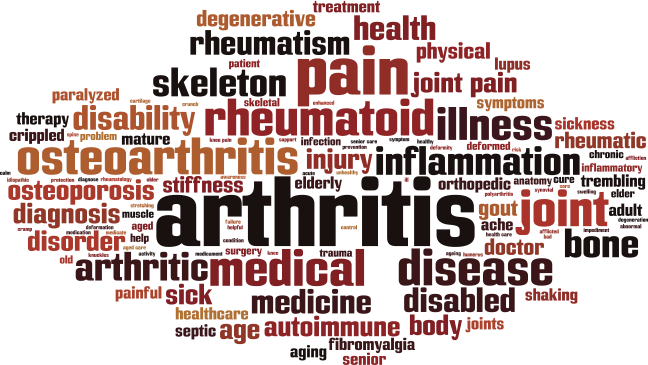
Autoimmune diseases have increased dramatically in recent years. There are nearly 200 recognized autoimmune diseases and the incidence has quadrupled in the past 20 years. Now approximately one in three women and one in seven men will have one of the recognized autoimmune conditions in their lifetime. Almost all autoimmune conditions are chronic i.e. lifelong conditions. Autoimmune conditions are difficult to diagnose; one estimate is that a victim may see five different doctors before getting an appropriate diagnosis and treatment. 

Autoimmune diseases may account for as much as half of all chronic diseases. It is estimated that as many as 50 million Americans may suffer from one of the autoimmune diseases, double the rate of heart disease and quadruple the rate of cancer. The cost in health care dollars for autoimmune diseases is similar to that for cancer and about 1/3 of the total cost for heart disease. 

What causes autoimmune disease? Autoimmune disease is a result of a person’s body developing antibodies against their own proteins and organ tissues. Antibodies of course are a part the natural defenses against invading organisms. The body makes antibodies that initiate the process of neutralizing the foreign invader. In a healthy response the body distinguishes between self and foreign and only attacks foreign entities. In an autoimmune response, the body makes antibodies to its own tissues.

The process seems to be potentiated by inflammation. Individuals are increasingly exposed to the many new foods and other chemicals in the environment. Through genetic engineering for example new foods and constituents in foods are created quickly that individuals have not adapted to. There is obviously a tradeoff, i.e., genetic engineering is one of the tools that plant scientists have employed to keep food production ahead of a rapidly increasing population. But new food products as well as environmental chemicals may be perceived as foreign to the body, potentiating the immune system. And as autoimmune conditions tend to develop slowly over time, the link between an environmental trigger and the eventual disease may not be obvious. 

Another factor may be chemical modification of the body’s proteins. An example may be glucose and fructose, the major sugars in circulating blood. Glucose levels have increased dramatically in recent years, in part due to professional recommendations to cut back on fat during the “cholesterol and heart disease” campaigns beginning in the 1980s. As food producers removed dietary fat, the replacement was commonly carbohydrates. And carbohydrates are digested to glucose and fructose in the blood circulation. High fructose corn syrup became the most economical sweetener, cheaper than table sugar. Cells don’t readily process fructose for energy as they do glucose, resulting in fructose circulating in the blood and eventually being converted to fat in the liver.

There has been a dramatic increase in obesity and the high circulating blood sugar associated with Type 2 Diabetes during a similar time frame as the increase in autoimmune diseases. The circulating carbohydrate molecules are highly reactive and can chemically modify proteins, possibly making them seem foreign to the immune system. An eventual consequence may be an autoimmune condition.


Another common contributing factor is gluten from wheat. The protein in gluten has similarities to the protein lining the intestinal surface. The consequence is that when wheat gluten gets into the blood circulation, antibodies may be made which can attack the intestinal barrier. A result can be so called “leaky gut”, which allows molecules that would normally be excluded by the intestinal barrier to get into the blood circulation. Wheat, one of the staple foods, has changed drastically in recent years, altered through plant breeding to have more protein. Also, the bread making process has changed. In traditional bread making the yeast causing the bread to rise consumed much of the offending gluten. Newer processes often use chemicals which preserve the gluten.

Other contributors to autoimmune disease are infections. With increasing population densities and modern capabilities for travel, infectious agents can spread widely faster. Global warming may also be a factor in enhancing the distribution of infectious agents. An example is Lyme Disease caused by the Borrelia bacteria spread by certain ticks, which has increased markedly in recent years.

Another factor may be the decreasing nutrient quality of foods. In our modern agricultural practices, crops are harvested and shipped off to remote markets. Each crop may deplete micronutrients from the soil. Major nutrients are returned in the form of fertilizers but micronutrients are often not replaced. In geologic timeframe micronutrients are replaced by volcanic activity, but in our short-term time frame this mode does not function. There is evidence that people living in areas with regular volcanic activity are healthier. Micronutrients are more likely to be replaced in foods raised by more traditional organic practices and can be obtained from supplements. Read More

New Hope for Depression

By Uncategorized No Comments

New Hope for Depression

Author: Zachary Taylor, CRNA

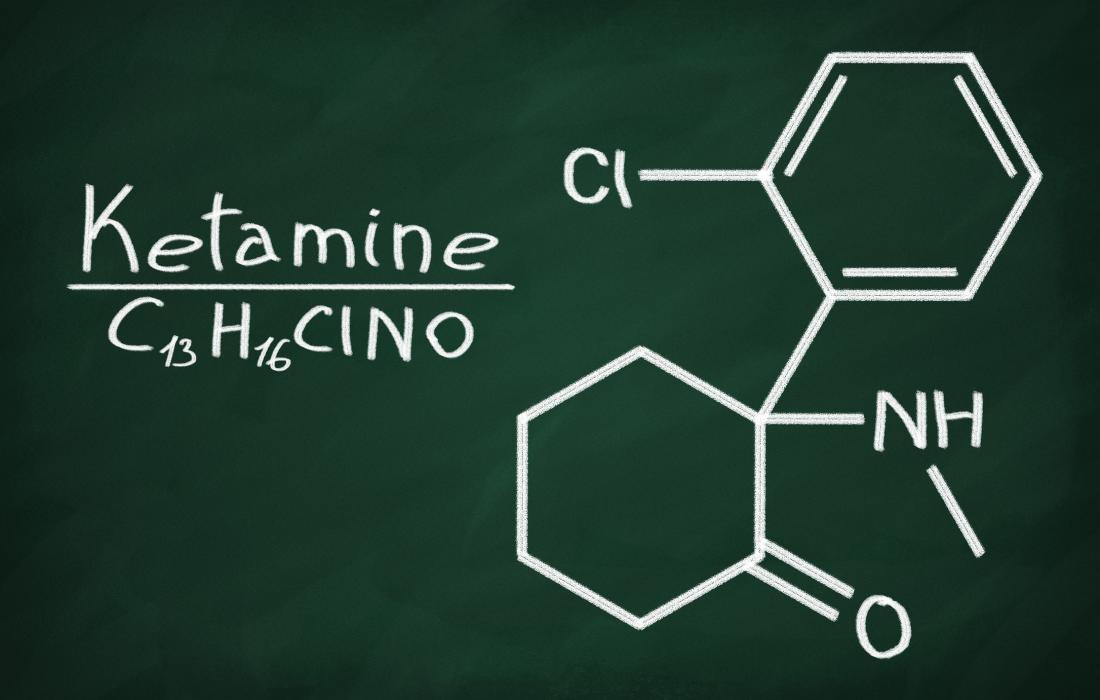
You may have heard about the use of an anesthetic drug normally used in the operating room now being used for the treatment of depression. The name of the drug is ketamine. This well established and used drug is finding a new application in the treatment of depression and other mental illnesses. Time magazine featured ketamine on the cover of their August 2017 issue with a leading article titled “New Hope for Depression”. In the article Time magazined highlighted those who struggle to find relief with traditional medications, the history of ketamine, as well as a testimonial of a woman who had finally found relief from her depression with the use of ketamine.

Read More

Trauma education and mindfulness help youth living amid gun violence

By Uncategorized No Comments

Author: Laura Godenick, TICN Program Coordinator

Armon Hurst is a student at Castlemont High School in Oakland, CA. He is the vice president of the student body, has a 4.0 GPA, loves to play baseball, and is set up to go to college next year. But, he wasn’t always so successful. A few years ago in 2016, Hurst was exposed to gun violence and for a while afterwards, he was having trouble sleeping, eating consistently, and concentrating in school. It wasn’t until Hurst had a conversation with a staff member of YouthAlive!, a nonprofit focused on developing youth leadership as well as preventing gun violence and helping to heal those who have been exposed to it, that he was able to recognize and begin to heal his own trauma.

Read More

New Health Resiliency Stress Questionnaire debuts for pediatricians, family practice, internal medicine… but anyone can use it

By Uncategorized No Comments

Author: Susie Wiet

It was when I had a conversation with Dr. Tasneem Ismailji, a pediatrician visiting from the San Francisco Bay area, about the importance of letting primary care practitioners know that resiliency from trauma was indeed possible that the idea arose to create the tool. It is called the Health Resiliency Stress Questionnaire (HRSQ). The goal of the HRSQ is for it to be easy and quick to complete by patients and an easy way for the provider to see patterns and respond accordingly. One of the main functions of the HRSQ is to help practitioners ask some tough questions to the patient and for the patient to feel heard. The effect that negative emotional states have on the health and wellbeing of the physical body has been researched extensively. It has been shown how simply being listened to, heard, and validated can be tremendously healing.  Read More

Inflamed Bodies, Depressed Minds

By Uncategorized No Comments

Author: Laura Godenick, TICN Program Coordinator

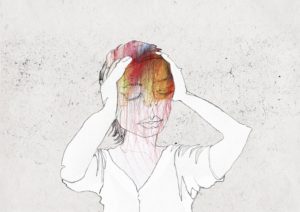
In this article, Ed Bullmore, psychiatrist and neuroscientist based in Cambridge, UK, speaks on the new and somewhat controversial research of neuro-immunology or immuno-psychiatry. Neuro-immunology focuses on the immune system’s effect on the brain through interacting with the nervous system while immuno-psychiatry investigates how mental health is affected by the immune system. Ed relays his experience of how depressed he felt after getting a root canal surgery. He discusses the mental leap from blaming his thoughts for his mood to discovering the possibility that it could actually be the inflammation in his body’s immune system that was responsible for his depressed state of mind. He calls this phenomena “the inflamed mind” and argues that depression could be a direct result of inflammation of the body.

Read More