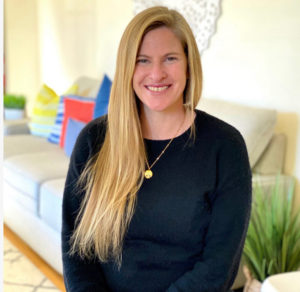
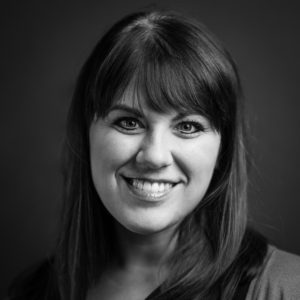
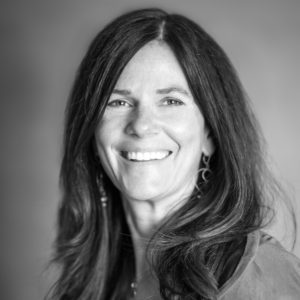
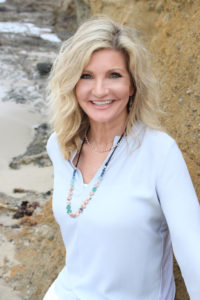
Toni Mazzaglia is a licensed clinical mental health counselor with a private practice in Utah and a parent coach with Solutions Parenting Support. She has been in the mental health field for over twenty years, working primarily with adolescents and their families in residential settings dealing with a variety of complex issues. Her focus has been treating attachment trauma, complex and dual diagnoses, complex family systems, and resulting symptoms and challenges. She is trained in EMDR, DBT, and MBSR and is a mindfulness practitioner and teacher. She believes in a mindful and holistic approach to supporting clients in healing what they need and building wellness.
We will discuss various attachment issues related to adoption from a trauma-informed perspective as well as how to empower and support adopted teens in this developmental stage. We will also identify ways that adoptive parents can support healthy development and resiliency in their relationship with their adopted teens.
I blend compassion and creativity with proven attachment-focused and trauma-informed techniques to help foster growth, healing, and change. I value both “top-down” (cognitive and skills-based) approaches and “bottom-up” (physical/emotional/integrative) approaches to therapy. Modalities I utilize include dialectical behavior therapy (DBT), radically open dialectical behavior therapy (RODBT), eye movement desensitization and reprocessing (EMDR), Othmer-method neurofeedback, internal family systems (IFS), sand tray therapy, Gottman method couples therapy, exposure response prevention (ERP), compassion-focused therapy, and integrative processing technique (IPT).
Together with my clients, I address a host of topics such as stress, self-criticism, depression (including suicidal ideation and non-suicidal self-injury), anxiety, trauma, dissociation, relationship issues, family dynamics, grief/loss, addiction, emotional dysregulation, personality disorders, multicultural issues, communication, LGBTQIA+ issues, ADHD, body image, and more. When I’m not at work, you’ll find me singing with my soul band, exploring the world, trying and sharing new recipes, laughing with friends, reading lots of books, and enjoying nature.
Presentation Overview:
Neurofeedback is one of many modalities and techniques that can be effective in helping clients heal from trauma. Othmer Method Neurofeedback is an effective evidence-based modality that involves brain training techniques that can help alleviate emotional, physical, and neurological instabilities and symptoms. With this modality clinicians and software monitor brain waves and use individualized neurofeedback placements and frequencies to shift the brain towards a more healthy and stable state. This intervention provides a gradual learning feedback process for the brain and nervous system to achieve a more calm, focused, and regulated state which helps individuals better thrive and function in daily life. It also provides stabilization and resourcing for clients to be able to do deeper and more effective work in other therapy modalities.
Join us for a discussion about the many ways that Othmer Method Neurofeedback can help enhance outcomes for professionals and clients.
This presentation is an introduction to belief-focused EMDR. Participants will:
-Understand the adaptive information processing (AIP) model as the cornerstone of EMDR’s approach to psychotherapy.
-Understand EMDR as a comprehensive approach to therapy through an overview of the 8 Phases of EMDR treatment.
-Learn through experiential exercises stabilization skills that can be used for self and clients (calm/secure place, container skills, developing positive/adaptive beliefs about self).
Presenter: Amy Henderson, MSW, LCSW
Amy Henderson, MSW, LCSW, has been in the mental health field for over 15 years. She has been many things, but most recently, she has been a mental health therapist for the past 6 years. Over two years ago, Amy founded Inner Journey Counseling – here, she specializes in providing individual therapy and skills groups to adults and older adults wanting to heal from trauma, especially complex trauma, and grief and loss issues. Her primary and preferred treatment approach is EMDR (eye movement desensitization and re-processing). She also integrates Internal Family Systems (IFS) and DBT (Dialectical Behavioral Therapy) into her work with clients. She runs a DBT skills group for adults with her wonderful colleagues where they teach 4 core skills: mindfulness, distress tolerance, emotion regulation and interpersonal effectiveness. In her free time, Amy likes to daydream about a world where people everywhere are supported in their journey of healing trauma and every human is taught mindfulness, distress tolerance, emotion regulation and interpersonal effectiveness skills. Amy is a native Utahn who currently lives in Salt Lake City and enjoys road cycling, Qi Gong, indoor and outdoor plants, trees and gardens, painting and loving on her two rescue huskies, Marco and Desmond.
This is a presentation on the benefits of Neurofeedback, which is a non-pharmaceutical approach to mental health and trauma. The presenters will cover a wide variety of information under this umbrella including:
-Brief History
-Othmer Method
– client centered model of brain regulation and stabilization
-Training Types
-Infra Low Frequency (Awake State)
-Synchrony (EEG guided mindfulness)
-Alpha-Theta (Deep State)
-Treatment in use of refractory or non-responsive diagnosis and co-morbid conditions
-Application to trauma informed therapeutic settings in correlation to EMDR and compassion fatigue prevention
-Benefits of neurofeedback with addiction recovery
-Limitations of neurofeedback
Presenters:
Danielle Musick, CSW
If you want to curate health, joy, and hope in your life, there are many tools that can help you achieve that goal. Health comes through engaging emotionally, physically and socially in your life. It takes great courage to ask for help but it is the first step to living a fuller and more joyful life. Success looks different for everyone. Reprocessing and understanding your life experiences can bring peace and self-compassion. I work with children, adolescents, and adults by providing specialized trauma-informed services. Neurofeedback is an incredible tool to regulate the body and mind. I have the most up to date and advanced training in the Othmer (EEGinfo) method of biofeedback. EMDR, IFS, and ketamine assisted therapy are also some of my favorite tools for healing. I understand the pain and struggle it can take to get out of bed every day. Let’s make you, the best you that you can be. A body of rigorous research into the efficacy of neurofeedback exists and is growing. Historically there has been a treatment emphasis on brain neurochemical interventions, not neuroelectric. Neurofeedback has potential to treat any significant neurological and psychiatric disorders in a way that is free from long term side-effects. Effectiveness in some hard to treat populations is promising. Frequently long-lasting effects are seen, as evidenced with PTSD and SPECT brain scans. Neurofeedback’s application is not only focused on deficits but has an application to peak performance in athletes, musicians and elites. The implications and outcomes are profound both scientifically and clinically.
Lyle “Cac” Cook, PA
Lyle “Cac” Cook is a Physician Assistant with nearly 30 years of medical experience. A graduate of the University of California Davis’ Physician Assistant program, he also completed a 1-year Psychiatric Fellowship through UC Davis and UC Irvine, and is a Neurofeedback Provider. Prior to joining our practice, Cac worked as a healthcare provider in family practice. Upon completing his most recent education in Psychiatry and Neurofeedback he is finding fulfillment by serving his patients in a different capacity by providing quality mental healthcare. It is his belief that all people, regardless of race, gender identity or sexual orientation, should have access to efficient and quality mental health care. To schedule an appointment with Cac please contact our front office.
Carolyn Scott, CMHC
I blend compassion and creativity with proven techniques to help foster growth, healing, and change. My goal is to help clients make sense of life experiences in a secure/comfortable/safe environment, to find empowerment, and to learn skills to create a life they believe is worth living. I have over a decade of experience working with diverse populations including children in leprosy colonies, youth in residential treatment, adults on probation and parole, survivors of trauma, families, and individuals struggling with various issues. I’m trained in cognitive behavior therapy (CBT), dialectical behavior therapy (DBT), radically open dialectical behavior therapy (RODBT), eye movement desensitization and reprocessing (EMDR), sand tray therapy, Gottman method couples therapy, exposure response prevention (ERP), emotional release processing (a type of therapy that uses guided imagery and regression to help individuals process emotion about past experiences), and Promethean Spark life coaching through the arts. I have experience helping people with stress, low self esteem, depression (including suicidal ideation and non-suicidal self-injury), anxiety, trauma, relationship issues, family dynamics, grief/loss, addiction, emotional dysregulation, personality disorders, multicultural issues, communication, attachment, LGBTQ+ issues, ADHD, body image, and more. When I’m not at work, you’ll find me singing with my soul band, exploring the world, trying and sharing new recipes, laughing with friends, reading lots of books, and enjoying nature.
Kristan Warnick co-founded the Trauma Informed Care Network of Utah in 2013 to facilitate networking and education between trauma informed mental health care givers and the community. In 2017 Trauma Informed Care Network was established as a formal non-profit organization and she currently sits on its Executive Board. She is also a member of the Trauma Resiliency Collaborative (TRC), another Utah trauma informed initiative group.
She currently serves as an appointee to the Utah State Advisory Board on Children’s Justice and Children’s Justice Act Task Force. Kristan is also a Clinical Mental Health Counselor and founder of Healing Pathways Therapy Center, a trauma and attachment focused counseling center with locations in Millcreek and Provo, UT. Previous to founding her private counseling practice, Kristan spent thirteen years working as a school psychologist in public schools in Utah and Alaska.
She also served on the faculty at Brigham Young University in the Counseling Psychology and Special Education Department. Kristan received her BS in Psychology (1994) and MS in School Psychology (1997) from BYU. She grew up in the Seattle area and currently enjoys spending time at home, being in the outdoors, traveling, and recreating with her son and husband. She is passionate about and appreciates opportunities to connect, network, and educate on issues surrounding trauma awareness and trauma treatment.
Dr. Lisa Gold, Ph.D
Dr. Lisa Gold is the founder and director of training for The Arizona Relationship Institute. She is a Certified Emotionally Focused Therapist and Supervisor, and AASECT certified Sex Therapist, providing integrated treatment for healing trauma, sexuality, and relationships.
Dr. Gold has developed a highly effective model for ketamine assisted therapy integrating EFT, internal family systems, somatic experiencing, hypnotherapy, breath work and music.
She trains other therapists in this model and provides concierge, customized, integrated retreats, including ketamine assisted psychotherapy, to individuals, couples, families with adult children and families of choice.
Presentation: Ketamine Basics for Therapists
This presentation covers basic knowledge helpful for therapists who have clients receiving Ketamine therapy for mental health treatment. This is not intended to be formal training to conduct Psychedelic Assisted Therapy, but rather an introduction to what to know and expect if you have clients participating in these types of treatments.
Covered points include:
understanding the basics of Ketamine treatment medical protocols
helping clients prepare for treatment
supporting clients during treatment period
how to follow up on their experience in therapy sessions.
I am currently a Research Assistant Professor at the Department of Neurology, University of Utah. I was trained as a medicinal chemist and have extensive experience in drug design and synthesis. In the last several years I have studied the modulation of migraine by sex, stress, and affect, and currently expanded my interest to address musculoskeletal pain and fatigue. My long-term goal is to apply my full skill set – pharmacology, physiology, and behavior – to the understanding and treatment of chronic pain. The interest in the emotional component of migraine and chronic pain has also led me to become certified in hypnotherapy by the American Council of Hypnotist Examiners (ACHE), Neurolinguistic programming (NLP), biofeedback by the Biofeedback Certification International Alliance (BCIA), and Autogenic training by the British Autogenic Training Society (BAS). I hope to use my scientific and therapeutic skills with people living with a migraine disorder, and learn more about different aspects of this complex disease.
Presentation/Workshop: Trauma, Anxiety Disorders, and Migraine – Is there a connection?
Migraine is the second most common neurological disorder worldwide, affecting 15% of the world’s population. Migraine imposes a tremendous burden on individuals and their families owing to frequent headaches and associated symptoms and also impacts society at large due to direct and indirect societal costs. Despite novel pharmaceutical treatments for migraine, people living with a migraine disorder are rarely migraine-free, and most continue to experience debilitating headaches. Thus, it is of great importance to develop more effective migraine interventions. Similar to other chronic pain conditions, migraine is a multifactorial disorder with not only physiological aspects but also social and psychological contributions, which trigger or exacerbate migraine frequency and severity and worsen disability. Anxiety disorders (e.g., depression, general anxiety, and PTSD) have long been associated with exacerbation of migraine symptoms and disability, and prospective studies highlight their contribution to migraine. The negative emotional processes contributing to migraine in adults are due, in part, to increased interpersonal trauma and stress, including childhood adverse events such as physical, sexual, and emotional abuse. The presentation will focus on the pathophysiology of migraine and its clinical manifestation, the correlation between past trauma, anxiety disorders, and migraine, and the behavioral interventions currently used to effectively treat migraine.
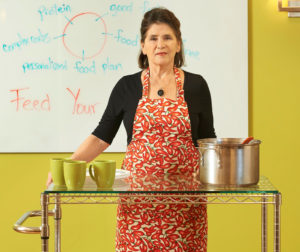
Pati Reiss, BA, CHHC, CNRC is a certified holistic health coach/nutrition recovery coach, educator and holistic chef. Her work focuses on teaching & coaching healthy lifestyle upgrades, addiction/mental health nutrition recovery and holistic gourmet cooking. This is done using nutrition, food, amino acid therapy, meditation and qi-gong.
Through her own healing recovery Pati has found that vibrant health, hope and recovery are possible and advocates this in all her teachings. She is a graduate of the Institute for Integrative Nutrition, NYC New York 2000, and holds a Bachelor of Arts in Human Services, Elementary & Special Education from Trinity College, Vermont 1978. She completed the Neuro-Nutrient Therapy for Addictive Disorders Training with Julia Ross in June of 2008 and her certification training as a Nutrition Recovery Coach through The Alliance for Addiction Solutions. Pati works on staff as a Recovery Food Educator and Nutrition Treatment Consultant for the Academy for Addiction & Mental Health Nutrition. She has been a board member of the Alliance for Addiction Solutions promoting nutrition & integrative therapies for transforming the addictive brain since 2010, and was president of the board of directors from 2014 to 2019.
She currently has a private Holistic Health Nutrition & Recovery Coaching practice in Salt Lake City, Utah and also works long distance with clients throughout the country. She is currently and has been teaching nutrition, meditation and qi-gong for recovery at residential treatment programs, the Academy of Addiction & Mental Health Nutrition & in her local community of Salt Lake City. She also does holistic recovery trainings throughout the country. Pati is the founder of High Vibe Recovery and Zen Brain Nutrition, holistic recovery and lifestyle coaching programs, online and in person. The Holistic Gourmet offers cooking classes, “Plate UP” a 5 week online class, holistic recovery retreats, food & nutrition education classes.
Presentation Topic: “Nutrition & High Vibe Food for Trauma”
This class covers:
* The 5 Star Pro-Recovery Diet
* The role of Amino Acid Therapy in supporting Neurotransmitter Depletion
* Blood Sugar Balance
* Nutrients for Restorative Sleep
Celeste Wiggins is a Licensed Clinical Social Worker (LCSW). She holds a Master’s Degree in Social Work from the University of Utah. She has worked in forensic, school-based, and private practice settings regarding issues of trauma, depression, anxiety, eating disorders, addiction, psychosis, autism spectrum related issues, and ADHD.
Celeste has experience working with people of a wide range of ages, genders (or no genders), sexualities (or no sexualities), and races. She works from a client-centered, humanistic/existential, queer-affirming, multiculturally humble, and relational framework and has training in modalities such as Eye Movement Desensitization and Reprocessing (EMDR), Dialectical Behavioral Therapy (DBT), and Acceptance and Commitment Therapy (ACT). She also holds a certification in Anti-Discrimination Response Training.
Treshain Elerson, LCSW
Treshain Elerson, LCSW is a Licensed Clinical Social Worker who has lived in Utah for the last 3 years. Originally from Memphis, TN, she received her MSW from the University of Memphis. Before moving to Utah, she worked as a school-based social worker for Shelby County Schools, and her team focused on the alternative schools. She primarily works as a school-based clinical therapist for Odyssey House of Utah, and previously for Valley Behavioral Health, mostly in schools within the Rose Park neighborhood. She has also worked as a Crisis Worker for the Crisis Line and the SafeUT app with the University of Utah’s University Neuropsychiatric Institute. Her therapeutic approaches include solution-focused techniques with an emphasis on empowerment skills. Her focus on supporting minority and oppressed groups is paramount, and she believes in all mental health professionals to develop and maintain cultural humility when working with clients.
Presentation Topic: Racial Equity from a Trauma Informed Perspective
Celeste and Treshain will discuss varying understandings of trauma across varying races, alongside the implications for a trauma-informed therapist dedicated to racial equity; and all from a lens of multicultural competency and/or humility.
In light of recent events and protests fueled by the senseless and tragic deaths of George Floyd, Ahmaud Arbery, Breonna Taylor and countless black people and other people of color, the Trauma Informed Care Network joins the voices of those speaking out about these issues. These recent events have served to highlight the ongoing issues of racial injustice, inequity, and intergenerational abuse and trauma that have occurred in our country and worldwide. TICN hopes to be able to contribute to the ongoing dialogue, solutions, and healing. As TICN was originally formed by many who had an interest in the impact of emotional trauma and fostering resiliency, this is an issue that we feel strongly about. Part of TICN’s mission has been to inform, educate, network, and enable access to trauma informed solutions and interventions and we hope to lend our resources to contribute to this movement.
Much of my experience as a trauma-informed therapist has been to work with individuals and families who have experienced a variety of traumas. General principles apply in this work on a smaller scale which seem to be relevant to this currently highlighted collective trauma of racial injustice. With individuals, we first need to create a safe space and listen when impacted individuals are ready and able to voice their trauma. Without judgement, we need to really hear thoughts, emotions, and experiences surrounding traumas, to work to understand peoples’ experiences, and to compassionately validate how these events have landed on and impacted individuals over time. We need to understand that each person’s story is unique and we cannot judge their experience nor dictate how they should feel. As we create this safe space we can hope to listen, support, give space for processing and emotional healing, as well as assist people to action in working out practical solutions in their lives, families, and communities to create present and future safety and resilience.
Similarly, in order for healing to occur within black communities and within our culture at large, we (especially white people and other privileged individuals) need to create a safe space and listen as black people voice their traumas that have happened on a personal, cultural, and historical level. We must not become defensive in this process or use the listening space to voice our own shame if we have benefited from systemic racism and privilege in the past and/or currently do. The goal is to listen and be a witness to the voicing of how systemic racism has impacted black people and black communities. One way to heal trauma is to have autonomy and choice – to be able to act in defense of one’s safety and to promote sovereignty over one’s own life. In addition to listening to black people and being witness to their current and historical pain and suffering, we can help to empower and stand in support of their leadership, using any privileges we may have to be allies in actions taken to create future safety, healing, and resilience for people of color and society at large.
As I think about our collective experience whether we are white or a person of color, we have all been impacted by these present and historical issues and we can take this opportunity to own and recognize our experience, blind spots, protective reactions, responsibility, etc. As we provide a safe listening space, compassionate understanding and validation for our individual and collective experiences, hopefully we can promote healing and action towards practical solutions to move our society forward to a safer and healthier place. We need to be especially attentive to those who have been directly or indirectly impacted by individual and systemic racism and have experienced the effects of present and/or intergenerational trauma. Those impacted especially need this safety and listening space where we can seek to hear and understand their traumas to facilitate healing, growth, and action towards a more equitable society.
In addition to individual and family interventions, some of our work at TICN has also been focused on promoting trauma informed organizations and cultures, also very relevant to this discussion. SAMHSA’s (Substance Abuse and Mental Health Association) six principles of trauma informed care as shown below are appropriately relevant to this discussion.
If we can approach these current issues of racial injustice and activism with the goal of creating Safety for all of those involved, we will be more able to create healing spaces and room for dialogue and solutions. If we can promote Trustworthiness and Transparency in individuals, agencies, institutions, we can more effectively achieve understanding, take responsibility, and facilitate needed change. We need to involve Peer Support by encouraging and providing opportunities and platforms for those who might be struggling or working for solutions, to be able to show up for each other and have avenues to reach out in times of need for collective strength. We need to see that we are all in this together, that this is a collective problem that requires an attitude of Collaboration and Mutuality versus divisiveness to foster sustainable solutions. We need to Empower Voice and Choice – we need to hear from and encourage those whose voices may have been dismissed, ignored, or minimized to be able to speak up and share their experiences, unmet needs, and potential solutions. This is an opportunity to fully hear the pain and trauma experienced by those who have been victims of individual and systemic racism and racial injustice and allow space for getting these needs met and to explore ways of restoring justice. And finally, implicit in all of this is an increased call for us to become more educated and aware of the Cultural, Historical, and Gender Issues where many in our communities, especially minorities and people of color, have been harmed. TICN seeks to be allies in the movement to promote these principles to work towards healing and restorative justice and welcomes collective involvement, collaboration, and dialogue surrounding these important issues.
Roberto Scordari is a certified BodyTalk practitioner and a member of the Global Healing Association since 2014. He uses Emotional Freedom Techniques and was trained in Europe as an emotional counselor. Although he found these tools very useful in helping people improve their emotional and physical well being, he always felt something was lacking. Then, his marriage led him to the U.S where he discovered the missing piece: The BodyTalk System.
Roberto always strongly believed in and often witnessed the immense potential and capacity of the body to self-heal at all levels. In BodyTalk he found a truly holistic, integrative, consciousness-based health care system where he can combine all his expertise in order to awaken and enhance the healing abilities that reside in the body-mind complex. After certifying as a BodyTalk Practitioner, Roberto and his wife moved back to Europe where he successfully ran a practice for a few years.
Now that he and his family are living again in the U.S., he’s excited to continue helping people improve their overall wellbeing as he finishes his Masters in Clinical Social Work.
Presentation Topic: BodyTalk – Finding the Root Disease by Addressing the Whole Person
BodyTalk is a holistic health care system that understands the profound influence that our psychology has on our body-mind complex. Rather than focusing on symptoms, BodyTalk finds the underlying cause of disease by addressing the whole person.
Presenter: Roberto Scordari, BodyTalk PractitionerRoberto Scordari is a certified BodyTalk practitioner and a member of the Global Healing Association since 2014. He uses Emotional Freedom Techniques and was trained in Europe as an emotional counselor. Although he found these tools very useful in helping people improve their emotional and physical well being, he always felt something was lacking. Then, his marriage led him to the U.S where he discovered the missing piece: The BodyTalk System.Roberto always strongly believed in and often witnessed the immense potential and capacity of the body to self-heal at all levels. In BodyTalk he found a truly holistic, integrative, consciousness-based health care system where he can combine all his expertise in order to awaken and enhance the healing abilities that reside in the body-mind complex. After certifying as a BodyTalk Practitioner, Roberto and his wife moved back to Europe where he successfully ran a practice for a few years. Now that he and his family are living again in the U.S., he’s excited to continue helping people improve their overall wellbeing as he finishes his Masters in Clinical Social Work.BodyTalk is a holistic health care system that understands the profound influence that our psychology has on our body-mind complex. Rather than focusing on symptoms, BodyTalk finds the underlying cause of disease by addressing the whole person. Come and discover more about this unique approach to total wellness. Roberto Scordari will also teach a BodyTalk technique called “cortices,” a very efficient tool that balances both hemispheres of the brain, promotes relaxation and improves mental clarity.