Past TICN Presentations

Presentation Topic: The TICN April 2020 Presentation: Hierarchy of Resilience – Prioritizing Intervention in the Midst of Crisis

By Uncategorized No Comments

Presenter: 

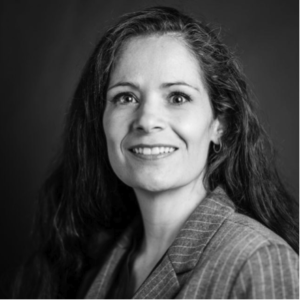
Em Capito, LCSW, MBA, RYT
Em is an unconventional psychotherapist specializing in mind-body resilience, in particular through intentional discomfort, highlighted in her recent TEDx talk on Resiliency Field Trips. Em is a Licensed Clinical Social Worker, a certified LifePower yoga teacher, and a Dharana Method meditation teacher with a private practice in South Jordan and Park City.

Presentation Topic: The Hierarchy of Resilience – Prioritizing Intervention in the Midst of Crisis

The opportunity inherent in crisis – in our own lives and that of our clients – is that it allows for a very honest assessment of our resilience, both internally and within our relationships. Join us for a virtual training that presents a hierarchy of resilience such that we can prioritize efforts to relieve anxiety and reactivity toward meaningful responsiveness.
Following this training, participants will:
  • Understand a hierarchical model for resilience and how this can be applied to treatment planning and clinical intervention
  • Experience personal application of an assessment tool for resilience that can be deployed with clients to empower responsive action
  • Be able to identify six research-based factors for resilience, and associated interventions to reduce anxiety and reactivity with clients in the midst of crisis

The Hierarchy of Resilience -Prioritizing Intervention in the Midst of Crisis

Check out our TICN presentation from April! Presenter: Em Capito, LCSW, MBA, RYTEm is an unconventional psychotherapist specializing in mind-body resilience, in particular through intentional discomfort, highlighted in her recent TEDx talk on Resiliency Field Trips. Em is a Licensed Clinical Social Worker, a certified LifePower yoga teacher, and a Dharana Method meditation teacher with a private practice in South Jordan and Park City. Presentation Topic: The Hierarchy of Resilience – Prioritizing Intervention in the Midst of CrisisThe opportunity inherent in crisis – in our own lives and that of our clients – is that it allows for a very honest assessment of our resilience, both internally and within our relationships. Join us for a virtual training that presents a hierarchy of resilience such that we can prioritize efforts to relieve anxiety and reactivity toward meaningful responsiveness. Following this training, participants will:Understand a hierarchical model for resilience and how this can be applied to treatment planning and clinical intervention Experience personal application of an assessment tool for resilience that can be deployed with clients to empower responsive action Be able to identify six research-based factors for resilience, and associated interventions to reduce anxiety and reactivity with clients in the midst of crisis

Posted by Trauma Informed Care Network – TICN on Friday, May 22, 2020
TICN March Presentation: Five Pillars of Resilient Health – How and Why to Restore Neurobiology Naturally

By Uncategorized 4 Comments

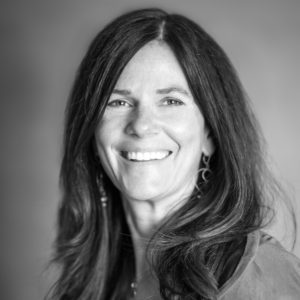
Presenter: Dr. Susie Wiet, MD at Sovegna

Dr. Susie Wiet is an integrative, developmental psychiatrist who has developed her career around restoring health and resiliency, carving out her area of expertise in recovery from trauma and/or addiction. She advocates for each client to learn how they can self-empower in advancing their own recovery, by giving voice to the individual’s experience, framing the underpinning neurobiology, and helping the client establish therapeutic goals to sustain long-term recovery.

Beyond her clinical practice, Dr. Wiet is involved in community advocacy work: she founded the Trauma- Resiliency Collaborative (TRC), a multi-disciplinary interest group comprised of professionals, para- professionals and peer advocates, with the mission to educate stakeholders, clinicians, and households about the hope for recovery from the impact of trauma; she developed the Health Resiliency Stress Questionnaire (HRSQ) – vetted through the TRC – which is currently undergoing field testing in select clinical practices across the country; once the validation process is complete, Susie has pledged the tool will remain in open source; she is an invited speaker at local, national, and international conferences on the neurobiology of resilience and recovery from addiction and trauma; and, she serves on the board of the international Academy on Violence and Abuse (AVA). Her dream is to meaningfully contribute to building a resilient community at-large through education, connection, and compassionate communication at the individual and macro-level.

Presentation Overview: 

Dr. Wiet will address why understanding the basics of the neurobiology of healing are important for recovery from any trauma and any addictive process. She will provide an overview of the Five Pillars of Resilient Health©, a framework she developed in working with her own clients. Dr. Wiet will explain how and why cultivating these pillars can help minimize the need for medication while restoring health of mind, body, and soul. The presentation slides can be accessed here.

TICN March Presentation: Five Pillars of Resilient Health- How and Why to Restore Neurobiology Naturally

Here's the presentation from Susie M. Wiet on Five Pillars of Resilient Health: How and Why to Restore Neurobiology NaturallyPresenter Bio: Dr. Susie Wiet is an integrative, developmental psychiatrist who has developed her career around restoring health and resiliency, carving out her area of expertise in recovery from trauma and/or addiction. She advocates for each client to learn how they can self-empower in advancing their own recovery, by giving voice to the individual’s experience, framing the underpinning neurobiology, and helping the client establish therapeutic goals to sustain long-term recovery.Beyond her clinical practice, Dr. Wiet is involved in community advocacy work: she founded the Trauma- Resiliency Collaborative (TRC), a multi-disciplinary interest group comprised of professionals, para- professionals and peer advocates, with the mission to educate stakeholders, clinicians, and households about the hope for recovery from the impact of trauma; she developed the Health Resiliency Stress Questionnaire (HRSQ) – vetted through the TRC – which is currently undergoing field testing in select clinical practices across the country; once the validation process is complete, Susie has pledged the tool will remain in open source; she is an invited speaker at local, national, and international conferences on the neurobiology of resilience and recovery from addiction and trauma; and, she serves on the board of the international Academy on Violence and Abuse (AVA). Her dream is to meaningfully contribute to building a resilient community at-large through education, connection, and compassionate communication at the individual and macro-level.Dr. Wiet addresses why understanding the basics of the neurobiology of healing are important for recovery from any trauma and any addictive process. She will provide an overview of the Five Pillars of Resilient Health©, a framework she developed in working with her own clients. Dr. Wiet will explain how and why cultivating these pillars can help minimize the need for medication while restoring health of mind, body, and soul.Here is the link for the slides: https://drive.google.com/file/d/18QBdpJkV3fd-8GVPG8zVNqX5n0PoDEn7/view?usp=sharing

Posted by Trauma Informed Care Network – TICN on Thursday, March 26, 2020

We must respond to the health crisis of adverse childhood experiences

By Uncategorized 2 Comments

Reviewed by Laura Godenick, TICN Program Coordinator


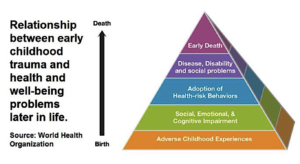
Adverse Childhood Experiences, also called ACEs, are being considered a health crisis. These include a child experiencing or witnessing divorce, abuse of any kind, violence, alcoholism, or addiction in the home. Experiencing ACES makes the body feel as though it’s under attack all the time, creating a “disrupted stress response affecting the neurological, immune, hormonal and cardiovascular systems”. California’s Surgeon General Nadine Burke Harris names 6 important treatment steps in her book “The Deepest Well”. These include sleep, exercise, nutrition, mindfulness, mental health support for child and parent, and healthy relationships. Read the full article here.

Borderline personality disorder has strongest link to childhood trauma

By Uncategorized One Comment

Reviewed by Laura Godenick, TICN Program Coordinator

The University of Manchester research suggests that people with Borderline Personality Disorder (BPD) are 13 times more likely to have experienced an adverse experience than people who have experienced little to no trauma. There were 42 international studies with at least 5,000 participants each that suggested these results. In addition, it also suggested that people with BPD is more associated with childhood trauma than other mood disorders. Physical neglect was the most common form of trauma experienced by those with BPD, followed by emotional abuse, physical abuse, sexual abuse, and emotional neglect. BPD is an emotional disorder making it hard for an individual to control their emotional impulses. Things that would be considered a minor issue for some people would be responded with overwhelming emotion by a person with BPD, making it hard for them to function in day-to-day life. These findings certainly show the importance of using trauma-informed-care as an approach when caring for folks needing mental health services where the prevalence of BPD is high. See the full article here.

Shining a Light on the Unheard Narrative of Childhood Sexual Assault

By Uncategorized No Comments

Presenter:  Samantha Leonard

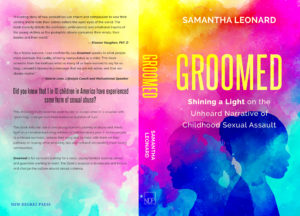
Samantha Leonard is an accomplished author, researcher and storyteller who speaks on the topics of protecting communities, empowering survivors and learning to use empathy as a tool to heal. As a survivor of sexual abuse, Samantha is passionate about addressing sexual assault and the power of connecting with survivors and communities. She is especially knowledgeable on the topic of childhood grooming and how charm and compassion are used to hide crimes and shame survivors into silence. Through the power of narrative, her book, Groomed: Shining a Light on the Unheard Narrative of Childhood Sexual Abuse, is a live testimonial to life after abuse and provides hope for those that feel alone.

Ms. Leonard is currently a Master’s of Social Work student, committed to helping survivors find their voice and play a part in changing the culture around sexual violence by educating and inspiring communities. Samantha spent 4 years serving on her college Sexual Offense Support Crisis Hotline listening and validating survivors’ experiences. Her dream is to spend her life connecting with others and to make the world a more loving placethrough social work writing, speaking and relationships.  To connect with Samantha, contact her at samanthaleonard515@gmail.com.

Presentation Topic: Shining a Light on the Unheard Narrative of Childhood Sexual Assault 

Samantha presents on the stages of the grooming process and how it is used to manipulate children and communities at large. She covers common red flags in grooming relationships and encourages communities to listen to children and have a healthy curiosity about people in their children’s’ lives. Her goal is to equip parents and community members with the skills to start age-appropriate conversations with children on sex, consent, and the human body and learn how to respond when a child discloses sexual assault.

Shining a Light on the Unheard Narrative of Childhood Sexual Assault

Presenter: Samantha LeonardSamantha Leonard is an accomplished author, researcher and storyteller who speaks on the topics of protecting communities, empowering survivors and learning to use empathy as a tool to heal. As a survivor of sexual abuse, Samantha is passionate about addressing sexual assault and the power of connecting with survivors and communities. She is especially knowledgeable on the topic of childhood grooming and how charm and compassion are used to hide crimes and shame survivors into silence. Through the power of narrative, her book, Groomed: Shining a Light on the Unheard Narrative of Childhood Sexual Abuse, is a live testimonial to life after abuse and provides hope for those that feel alone.Ms. Leonard is currently a Master’s of Social Work student, committed to helping survivors find their voice and play a part in changing the culture around sexual violence by educating and inspiring communities. Samantha spent 4 years serving on her college Sexual Offense Support Crisis Hotline listening and validating survivors’ experiences. Her dream is to spend her life connecting with others and to make the world a more loving place through social work writing, speaking and relationships. To connect with Samantha, contact her at samanthaleonard515@gmail.com.Presentation Topic: Shining a Light on the Unheard Narrative of Childhood Sexual Assault Samantha will be speaking on the stages of the grooming process and how it is used to manipulate children and communities at large. She will cover common red flags in grooming relationships and encourage communities to listen to children and have a healthy curiosity about people in their children's' lives. Her goal is to equip parents and community members with the skills to start age-appropriate conversations with children on sex, consent, and the human body and learn how to respond when a child discloses sexual assault.

Posted by Trauma Informed Care Network – TICN on Thursday, January 30, 2020

Understanding EMDR

By Uncategorized 2 Comments

Presenter:  Kristan Warnick, CMHC

Kristan Warnick co-founded the Trauma Informed Care Network of Utah in 2013 to facilitate networking and education between trauma informed mental health care givers and the community. In 2017 Trauma Informed Care Network was established as a formal non-profit organization and she currently sits on its Executive Board. She is also a member of the Trauma Resiliency Collaborative (TRC), another Utah trauma informed initiative group.  She currently serves as an appointee to the Utah State Advisory Board on Children’s Justice and Children’s Justice Act Task Force. Kristan is also a Clinical Mental Health Counselor and founder of Healing Pathways Therapy Center, a trauma and attachment focused counseling center with locations in Millcreek and Provo, UT. Previous to founding her private counseling practice, Kristan spent thirteen years working as a school psychologist in public schools in Utah and Alaska.  She also served on the faculty at Brigham Young University in the Counseling Psychology and Special Education Department. Kristan received her BS in Psychology (1994) and MS in School Psychology (1997) from BYU. She grew up in the Seattle area and currently enjoys spending time at home, being in the outdoors, traveling, and recreating with her son and husband. She is passionate about and appreciates opportunities to connect, network, and educate on issues surrounding trauma awareness and trauma treatment.


Presentation Topic: Understanding EMDR

This presentation will cover a basic understanding of emotional trauma, its impact, and how to address and resolve trauma symptoms and repercussions using Eye Movement Desensitization and Reprocessing.  We will cover history, facts, and myths of EMDR, as well as the Adaptive Information Processing Model which serves as one of the foundations of the theory of EMDR.  This presentation will include a video case study of an EMDR session as well as explaining the eight phases of EMDR treatment.  Simple EMDR techniques will be demonstrated with the audience. This presentation is appropriate for any member of the community – mental health and medical professionals, agency workers, clients, and general community members.

Understanding EMDR

Presentation Topic: Understanding EMDRThis presentation will cover a basic understanding of emotional trauma, its impact, and how to address and resolve trauma symptoms and repercussions using Eye Movement Desensitization and Reprocessing. We will cover history, facts, and myths of EMDR, as well as the Adaptive Information Processing Model which serves as one of the foundations of the theory of EMDR. This presentation will include a video case study of an EMDR session as well as explaining the eight phases of EMDR treatment. Simple EMDR techniques will be demonstrated with the audience. This presentation is appropriate for any member of the community – mental health and medical professionals, agency workers, clients, and general community members. Presenter: Kristan Warnick, CMHCKristan Warnick co-founded the Trauma Informed Care Network of Utah in 2013 to facilitate networking and education between trauma informed mental health care givers and the community. In 2017 Trauma Informed Care Network was established as a formal non-profit organization and she currently sits on its Executive Board. She is also a member of the Trauma Resiliency Collaborative (TRC), another Utah trauma informed initiative group. She currently serves as an appointee to the Utah State Advisory Board on Children’s Justice and Children's Justice Act Task Force. Kristan is also a Clinical Mental Health Counselor and founder of Healing Pathways Therapy Center, a trauma and attachment focused counseling center with locations in Millcreek and Provo, UT. Previous to founding her private counseling practice, Kristan spent thirteen years working as a school psychologist in public schools in Utah and Alaska. She also served on the faculty at Brigham Young University in the Counseling Psychology and Special Education Department. Kristan received her BS in Psychology (1994) and MS in School Psychology (1997) from BYU. She grew up in the Seattle area and currently enjoys spending time at home, being in the outdoors, traveling, and recreating with her son and husband. She is passionate about and appreciates opportunities to connect, network, and educate on issues surrounding trauma awareness and trauma treatment.

Posted by Trauma Informed Care Network – TICN on Friday, October 18, 2019

EEG Biofeedback: A more natural approach to mental health and trauma healing

By Uncategorized No Comments

Check out our TICN monthly presentation for October 2019!

Purchase tickets for the event here!

A body of rigorous research into the efficacy of neurofeedback for the healing of mental health issues and trauma exists and is growing. Historically there has been a treatment emphasis on brain neurochemical interventions, not neuroelectric. Neurofeedback has potential to treat any significant neurological and psychiatric disorders in a way that is free from long term side-effects. Effectiveness in some hard to treat populations is promising. Frequently long-lasting effects are seen, as evidenced with PTSD and SPECT brain scans. Neurofeedback’s application is not only focused on deficits but has an application to peak performance in athletes, musicians and elites. The implications and outcomes are profound both scientifically and clinically.

  1. Brief History  
  2. Othmer Method- client centered model of brain regulation and stabilization
  3. Training types- 
  • Infra Low Frequency (Awake State)
  • Synchrony (EEG guided mindfulness)
  • Alpha-Theta (Deep State)
  1. Treatment in use of refractory or non-responsive diagnosis and co-morbid conditions
  2. Application to trauma informed therapeutic settings in correlation to EMDR and compassion fatigue prevention
  3. Limitations of neurofeedback
  4. Q&A

Presenter: Danielle Musick, Certified Othmer Method neurofeedback provider and psychotherapist at Healing Pathways Therapy Center


Danielle Musick is a Certified Othmer Method neurofeedback provider and psychotherapist at Healing Pathways Therapy Center. She trained with Sue Othmer, BCIAC and Siegfried Othmer, PhD, two of the world’s leading neurofeedback experts.

Danielle graduated from the University of Utah in 2002 with a Bachelor of Science in Health Education and Promotion and Secondary Education Licensure, majoring in health and minoring in coaching. Danielle is a Master of Social Work candidate at Arizona State University and specializes in trauma, attachment, and chronic illnesses such as Lyme disease, chronic fatigue and fibromyalgia.

After working as a pharmacy technician, junior high health teacher, high school swim coach, structured foster parent and special needs adoptive parent, a great passion for social welfare and mental health was ignited. She has been involved in mental health organization positions such as Chair of the National Alliance on Mental Illness (NAMI) Salt Lake City Affiliate and Chair of Wasatch Mental Health Friends of Giant Steps (FOGS). Currently she is the Founder President of a not for profit organization called the Utah Coalition for Lyme Disease. Danielle loves spending time with her spouse, four children and three dogs in the mountains.

If you’re interested in trying Neurofeedback, learn more about it here! 

If you’re looking for providers who are trauma-informed, check out our Provider’s Directory here.

Follow us on Facebook to get the most recent updates or ask to be added to our newsletter by emailing ticnutah@gmail.com.

Purchase tickets to the event here!

September TICN Presentation # 1: Body Talk-Finding the Root Disease By Addressing the Whole Person

By Uncategorized No Comments

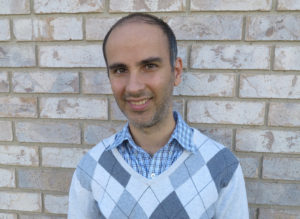
Presenter: Roberto Scordari


Roberto Scordari is a certified BodyTalk practitioner and a member of the Global Healing Association since 2014. He is also a life coach who uses Emotional Freedom Techniques and was trained in Europe as an emotional counselor. Although he found these tools very useful in helping people improve their emotional and physical well being, he always felt something was lacking. Then, his marriage led him to the U.S where he discovered the missing piece: The BodyTalk System.

Roberto always strongly believed in and often witnessed the immense potential and capacity of the body to self-heal at all levels. In BodyTalk he found a truly holistic, integrative, consciousness-based health care system where he can combine all his expertise in order to awaken and enhance the healing abilities that reside in the body-mind complex. After certifying as a BodyTalk Practitioner, Roberto and his wife moved back to Europe where he successfully ran a practice for a few years.

Now that he and his family are living again in the U.S., he’s excited to continue helping people improve their overall wellbeing as he begins studies in clinical social work.

Presentation Topic: Body Talk


BodyTalk is a revolutionary form of alternative health care based on the principle that in the body there is a built-in mechanism, an innate wisdom, that constantly tends towards balance and healing at all levels. Your body is designed to self heal and is supposed to work in perfect synchronicity. In fact, when the body is operating at its optimal level, each system, cell, and atom is in constant communication with each other at all times. Through exposure to the stresses of daily life, however, these lines of communication can become compromised, leading to a decline in physical, emotional and/or mental health. BodyTalk is an astonishingly simple and effective form of therapy that releases the stressors from the body and allows its systems to be resynchronized so they can operate as nature intended.

During a BodyTalk session, the client lies on a massage bed fully clothed while the practitioner facilitates communication with the innate wisdom of the body through neuromuscular biofeedback.Through the guidance of the client’s body, the practitioner is able to locate the imbalances within the body-mind complex that are a priority. The practitioner then uses different non-invasive techniques depending on the nature of the imbalance, thus restoring the communication patterns within the body.

BodyTalk’s major assets are its simplicity, safety and efficiency. Because the BodyTalk System allows the body’s own healing abilities to effect change, clients may see long-lasting, ongoing improvements in health rather than short-term symptomatic relief.

While BodyTalk doesn’t diagnose or treat specific ailments, clinical experience has shown that once their overall systems are balanced through BodyTalk, clients have exhibited significant improvement in a variety of areas including:

Emotional disorders
Arthritis
Sport injuries
Phobias
Digestive disorders
Endocrine disorders
Chronic fatigue
Headaches
Chronic pain
Stress response
Viruses
Allergies
Back pain
Infections

You can find a body talk practitioner here. 

August Monthly Presentation: Principles for Delivering Trauma Informed Care

By Uncategorized 2 Comments

Presenter:  Brooke Kumar, LCSW

Brooke Kumar, LCSW is the Clinical Manager at Resolutions Counseling Center. Brooke received her Bachelor of Science in Social Work with a Minor in Psychology from Weber State University. She received her Master of Social Work with a Forensic Concentration from the University of Utah. Brooke is trained in Trauma-Focused Cognitive Behavioral Therapy, Acceptance and Commitment Therapy, Mind-Body Bridging Therapy, Cognitive Behavioral Therapy, and Dialectical Behavioral Therapy.

Brooke has experience working with the forensic population, including substance abuse and domestic violence. At Resolutions Counseling, Brooke works with children, adolescents, families, couples, and individuals. She specializes in depression, anxiety, trauma-related disorders, substance abuse, domestic violence, marital issues, personality disorders, among many others.

Brooke works alongside her clients to empower them to find hope through their resiliency. Brooke incorporates a wide range of evidenced-based modalities to promote healthy relationships, effective coping skills, and balanced mental health. When Brooke is out of the office you can find her running, or spending time with her family and loved ones.

Presentation Overview


This presentation provides an overview of evidenced based principles that are effective in delivering trauma informed care. These principles provide a validating and supportive environment for individuals to feel safe, secure, and heard. Some of these principles include asking trauma informed questions, the importance of curiosity in trauma work, ways to process trauma narratives, the importance of mindfulness, alongside other evidenced based principles. Participants will be able to have an interactive experience where they will be able to feel the power that these tools provide in creating validation and security.

Principles for Delivering Trauma Informed Care

Brooke Kumar, LCSW is the Clinical Manager at Resolutions Counseling Center. Brooke received her Bachelor of Science in Social Work with a Minor in Psychology from Weber State University. She received her Master of Social Work with a Forensic Concentration from the University of Utah. Brooke is trained in Trauma-Focused Cognitive Behavioral Therapy, Acceptance and Commitment Therapy, Mind-Body Bridging Therapy, Cognitive Behavioral Therapy, and Dialectical Behavioral Therapy.Brooke has experience working with the forensic population, including substance abuse and domestic violence. At Resolutions Counseling, Brooke works with children, adolescents, families, couples, and individuals. She specializes in depression, anxiety, trauma-related disorders, substance abuse, domestic violence, marital issues, personality disorders, among many others.Brooke works alongside her clients to empower them to find hope through their resiliency. Brooke incorporates a wide range of evidenced-based modalities to promote healthy relationships, effective coping skills, and balanced mental health. When Brooke is out of the office you can find her running, or spending time with her family and loved ones.This presentation will provide an overview of evidenced based principles that are effective in delivering trauma informed care. These principles provide a validating and supportive environment for individuals to feel safe, secure, and heard. Some of these principles include asking trauma informed questions, the importance of curiosity in trauma work, ways to process trauma narratives, the importance of mindfulness, alongside other evidenced based principles. Participants will be able to have an interactive experience where they will be able to feel the power that these tools provide in creating validation and security.

Posted by Trauma Informed Care Network – TICN on Monday, August 19, 2019

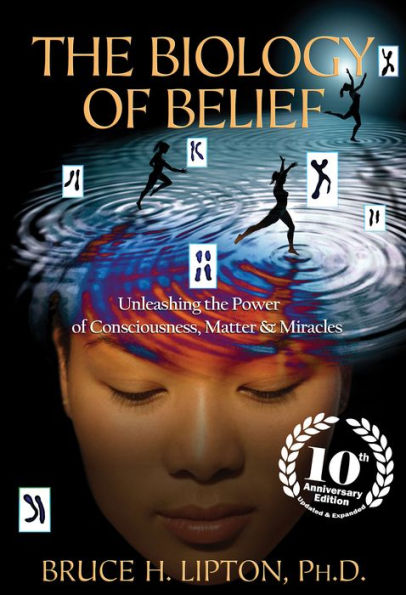
Review of Book The Biology of Belief: Unleashing The Power of Consciousness, Matter and Miracles by Bruce H. Lipton, PhD’

By Uncategorized No Comments

Book Review by Russ Warnick

This book, updated in 2016, provides a detailed overview of cellular biology based on the author’s knowledge as an academic cellular biologist.  Lipton explains conscious and subconscious 

expressions of the human mind. He describes cellular function, making the case that the membrane, not the DNA, primarily determines cellular function.  A key observation is that matter is organized energy, explained by quantum physics. However, even though the science of physics has progressed to quantum physics, much of our technology and practices are still based on the older Newtonian Physics, cause and effect, and energy modalities are largely ignored or even denigrated in western medicine.

Lipton was trained as a cellular biologist and subsequently became a scientific researcher at the University of Wisconsin’s School of Medicine.  Later he moved to Stanford University where he performed pioneering research in molecular biology, primarily in research on stem cells. He has become an internationally recognized authority in relating leading edge science to the more  spiritual side of human behavior. Lipton has become an internationally prominent lecturer on these topics and appears frequently on TV and radio shows. His book is one of the more influential current books as measured by Amazon.
Read More