Past TICN Presentations

TICN February 2026 Presentation: We Don’t Heal in Isolation – The Power of Group Connection in Trauma Recovery

By Uncategorized No Comments

Presenter: Paul T. Callister, Ph.D., CMHC, CGP
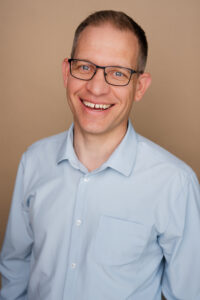
Paul is a Licensed Clinical Mental Health Counselor and Certified Group Psychotherapist who specializes in group therapy. He earned his Ph.D. in Counselor Education from Oregon State University in 2022 and his M.Ed. in Counseling from the University of Utah in 2010. Dr. Callister has extensive clinical experience in diverse settings including the Utah State Prison, community mental health, and private practice. He currently owns and operates Utah Group Therapy Center and Bountiful Counseling in Bountiful, Utah, where he leads weekly interpersonal process groups using a modern group analytic approach. Dr. Callister is training at the Center for Group Studies in New York City, holds the Certified Group Psychotherapist credential, and teaches group counseling in the CMHC program at Utah Valley University. His work is grounded in the belief that the group becomes a living laboratory for life, where learning to engage authentically, navigate conflict, and risk connection creates change that extends far beyond the therapy room.

Presentation: We Don’t Heal in Isolation – The Power of Group Connection in Trauma Recovery

Group therapy is uniquely positioned to support trauma recovery because it offers something individual therapy cannot: real-time relational experience. Yet many clinicians struggle to move groups beyond a series of individual check-ins toward meaningful member-to-member connection. This presentation introduces the bridging technique, a foundational group facilitation skill that helps therapists shift the focus from leader-member dialogue to authentic interaction between group members. Participants will learn how bridging fosters emotional engagement, reduces isolation, and transforms the group into a living interpersonal system where relational patterns can be experienced, understood, and reshaped. Through a live demonstration group, attendees will observe how intentional interventions can deepen connection, invite vulnerability, and support co-regulation in ways that are consistent with trauma-informed principles of safety, trust, and empowerment. The session will conclude with a structured debrief, clinical application discussion, and time for questions, equipping clinicians with practical tools to help their groups become spaces where healing happens in relationship, not in isolation.
TICN May 2025 Presentation: Unlock the Power of the Deep Brain – An Introduction to Infra-low Frequency

By Uncategorized No Comments

Presenter: Carrie Scott, MSC, LCMHC; Tawna Loveless, Assistant Neurofeedback Program Director & Technician

Carrie Scott, MSC, LCMHC, is a trauma-informed licensed Clinical Mental Health Counselor and the Neurofeedback Program Director at Healing Pathways Therapy Center. She is also the founder and owner of Utah NeuroWellness Clinic, where she specializes in integrating neurofeedback into trauma recovery and mental health care. Carrie brings a wealth of clinical experience and a deep commitment to practitioner training through her work with the Neurofeedback Advocacy Project, equipping practitioners nationwide with practical, outcomes-based neurofeedback tools. Her work bridges cutting-edge neuroscience with practical therapeutic application and reflects a deep commitment to nervous system regulation, trauma treatment, and advancing the field through accessible training and mentorship.

Tawna has a lifelong passion for health and well-being, believing that optimal health is achieved through a balanced approach to mental, physical, and spiritual health. With a deep commitment to understanding the human experience, she continually seeks new knowledge to enrich her practice.

With a bachelor’s degree in Community Health Education and specialized training as a Neurofeedback Technician in the Othmer Method, Tawna has treated over 4,000 clients in individual sessions. She has developed various training programs and is a strong advocate for cultural diversity, shaped by her global travels and connections with individuals from diverse backgrounds. Tawna works effectively with people of all ages and backgrounds, helping them achieve lasting well-being.

Presentation: Unlock the Power of the Deep Brain – An Introduction to Infra-low Frequency

Are you ready to help yourself or your clients stabilize, heal, and thrive from the foundation up? Join Carrie Scott, CMHC, Neurofeedback Program Director, and Tawna Loveless, Assistant Neurofeedback Program Director, for a dynamic introduction to Infra-Low Frequency (ILF) HD Neurofeedback — a powerful evolution in brain-based therapy. In this engaging session, you’ll discover:

-How ILF HD neurofeedback uses the brain’s slowest rhythms to promote deep physiological calming and stabilization.

-Why infra-low frequencies (0.05 Hz and below) are critical for regulating higher brain functions and restoring homeostasis.

-Why ILF HD neurofeedback plays a critical role in the treatment of trauma.

-Clinical examples showing how ILF HD can help with psychosomatic symptoms, anxiety, chronic pain, emotional dysregulation, stress-related disorders, and more.

Whether you’re brand new to neurofeedback or looking to deepen your skills, you’ll leave with a clear understanding of why infra-low frequency neurofeedback is the foundation for transformational brain training and trauma treatment.

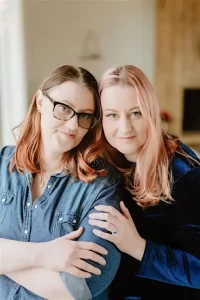
TICN May 2025 Presentation: My Wife Told Me to Go to Therapy – Clinical Insights from Our New Book

By Uncategorized No Comments

Presenter: Stacy Lund, HPTC Clinical Director, LCSW; Stephanie Sisson, LCSW

Stacy Lund is the Clinical Director of a trauma clinic in Salt Lake City, Utah. She is a Licensed Clinical Social Worker (LCSW), a Certified Clinical Trauma Professional (CCTP), a trained yoga teacher, and a certified Eye Movement and Desensitization (EMDR) clinician. Stephanie Sisson is a Licensed Clinical Social Worker practicing in Beloit, Wisconsin. She specializes in Grief and Trauma and is EMDR-trained. She has practiced in three states, including Utah, New Mexico, and Wisconsin. Stacy and Stephanie are identical twin sisters raised in Salt Lake City, Utah. They earned their undergraduate and graduate degrees at the University of Utah College of Social Work.

Presentation: My Wife Told Me to Go to Therapy – Clinical Insights from Our New Book

Join us for an engaging presentation and clinical discussion based on our upcoming book, My Wife Told Me to Go to Therapy: A Guide for Men on How to Love the 21st Century Woman. This resource is designed to support men in cultivating emotional intelligence, dismantling harmful gender norms, and becoming more attuned, accountable partners. As clinicians, we know that gender roles, emotional labor, and relational power dynamics are central themes in therapeutic work with individuals and couples. This presentation offers a practical, research-informed look at how these dynamics play out—and how we can support men in moving from defensiveness to curiosity, from disconnection to relational presence.

Presentation Highlights:

-Understanding the impact of emotional labor and the mental load on relational health

-Exploring how patriarchy contributes to relational and intrapersonal distress in men -Facilitating emotional development and accountability in male clients

-Clinical tools and psychoeducation strategies to foster empathy, equity, and connection

This session is designed to deepen our shared understanding and expand our clinical toolkit when working with men, couples, and anyone navigating the complexities of gender and intimacy in contemporary relationships.

TICN January 2026 Presentation: Mind Body Skills Group

By Uncategorized No Comments

Presenter: Erica Astle

I am a certified facilitator through the Center for Mind Body Medicine and I am pursuing my Master’s Degree in Social Work at New Mexico State University. I have 10 years of experience with case management, program management, and nonprofit leadership and I have facilitated Mind Body Skills groups for over three years with parents, professionals, and teenagers. These skills have helped me stay present and regulated in an emotionally demanding career and as a parent to two young toddlers. I love sharing these skills with others and I love the connection that comes from a group setting.

Presentation: Mind Body Skills Group

Mind Body Medicine is about the integration of our physical and mental health: understanding how stress and trauma affect our brains and bodies and what we can do with our minds and bodies to regulate our nervous systems, move through conflict, and regulate our emotions. The foundation of these skills is breathing and mindfulness. These skills also include meditation, drawing as a form of reflective journaling, guided imagery, movement, autogenics and biofeedback, and mindful eating.

TICN April 2024 Presentation: Neurofeedback- What it is and What it can treat

By Uncategorized No Comments

Presenter: Tawna Loveless,
Assistant Neurofeedback Program Director & Technician

Being in love with health and well-being from the time I was a teenager, I believe that the health of a person is not based on one thing, but on the balance of all things in an individual’s life. As a lifelong learner of mental, physical, and spiritual health you will find me listening to a new book ingesting knowledge, and being deeply passionate about the human experience.

I pursued my bachelor’s degree in Community Health Education as a way to achieve my goals to help others achieve healthy lives. After my degree, I pursued training in Neurofeedback as an Othmer Method Technician using Infra-Low Frequencies to retrain and exercise the brain to gain greater balance and control over itself. I am also double-trained and experienced in both the Alpha-Theta and Synchrony modalities, all using the Cygnet software system. I have extensive experience using neurofeedback training for many concerns including but not limited to; addiction, ADHD, anxiety, autism, behavioral problems, bipolar disorder, depression, mood disorders, headaches/migraines, seizures, impulsivity, low self-esteem, OCD, PTSD, traumatic brain injury, sensory disorders, and sleep problems.

I have been working as a Neurofeedback Technician for almost 5 years now, treating over 4000 Clients in hour-to-hour sessions. I have built an extensive 50-hour Neurofeedback training course with slides and training materials. Taught over 5 of these Neurofeedback courses to dozens of clinicians. I built an extensive symptoms evaluation brain chart with a matching symptoms evaluation packet.

It is amazing and rewarding to witness my clients take on the challenges of their situations and their personal limitations and break their own barriers and heal to degrees they didn’t know they could.

Presentation: Neurofeedback- What it is and What it can treat

Neurofeedback, what is it, how to understand it on a more technical level, and how to explain it.

TICN December 2022 Presentation: Trauma Processing in the Wild

By Uncategorized No Comments

Presenter: Caro Kellough, CMHC

Caro Kellough, CMHC, has over a decade of backpacking and guiding experience. After receiving her masters in clinical mental health counseling at Lesley University in Cambridge Massachusetts, Caro moved out west to forge a new path that would include mental wellness, the outdoors, and social justice. She is a fully licensed mental health counselor with a specialization in Trauma and Holistic Mental Health. She recently completed a 200 hour yoga teacher training and is certified to teach trauma informed yoga. As a wilderness therapist and guide, Caro has worked for various guiding companies including Outward Bound and Andrew Skurka Adventures and has logged over 300 field days. She uses an eclectic set of clinical skills but focuses predominately on IFS, narrative therapy, and Structural Family Systems.

Presentation Description: Trauma Processing in the Wild- Body Centered Work, Wilderness Metaphor, and Group Dynamics in treating Mood Disorders and (C)PTSD

This presentation will give participants an introduction to wilderness based therapy and will encourage them to think about how they can adapt their current practices to a wilderness setting. We will go over how wilderness metaphor can be used in conjunction with narrative therapy, bi-lateral stimulation, and how group dynamics in wilderness groups can mirror interpersonal relationship dynamics. We will use some experiential modeling to show how you can bring the wilderness into your office and will address things like access to care and gatekeeping in the outdoors.

TICN October 2022 Presentation: Religious & Spiritual Trauma

By Uncategorized No Comments

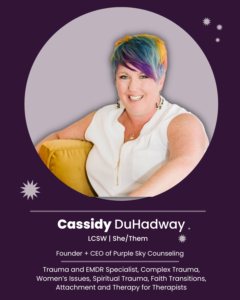
Presenter: Cassidy DuHadway, LCSW

Cassidy DuHadway, LCSW is a highly sought after therapist and trainer for her understanding and ability to normalize the human experience and help humans through their healing process. She specializes in trauma, early-childhood wounds, and training therapists to become amazing therapists. Cassidy specializes in helping therapists understand and see each of their clients while also utilizing their skills in a way that supports their clients through healing. She has been a therapist since 2009 and has been in the mental health field for 17 years. Cassidy is the Owner and CEO of Purple Sky Counseling and is an EMDR Approved Trainer and Consultant.

Presentation:
Religious and Spiritual Trauma

Throughout Childhood we receive messages and experiences that shape our lives. During this presentation we are going to explore how Religious and Spiritual experiences, messaging and systems can lead to Trauma. This leaves a person struggling with love, worth and belonging or a never-ending sense of Not Enoughness.

TICN June 2022 Presentation: Optimizing Brain Network Function to Promote Psychological Health

By Uncategorized No Comments

Presenter: Liliam Llanos

Liliam Llanos is a certified NeuroCoach who brings together mindfulness techniques and brain research-based tools to show her clients how to overcome trauma, increase their self-esteem, and create greater balance, growth and a meaningful life.  Liliam is also committed to bringing awareness and integration of science-based strategies to counselors, coaches, and holistic practitioners. She is fluent in both English and Spanish and works with clients worldwide.


Presentation: Optimizing Brain Network Function to Promote Psychological Health

This is a presentation on some of the newest discoveries showing properties of each of the three key brain networks, the Default Mode Network, the Salience Network, and the Executive Network along with the most effective strategies to help clients learn how to:

  • optimize brain function to increase psychological health and improve social relationships
  • reduce anxiety and depression by balancing the brain networks
  • stay focused and highly motivated to achieve goals

NeuroAffective Relational Model (NARM) & Trauma

By Uncategorized No Comments

Presenters:

Ellen Byrne, MS, SEP

Ellen Byrne has been in private practice since 1995, offering therapeutic bodywork and body-based trauma resolution. She is a Body-Mind Centering Somatic Educator (2002), a Somatic Experiencing Practitioner (2004), a Master Level NARM Informed Practitioner (2016), and has a Master’s in Counseling from Palo Alto University (2021).

In addition to her private practice, Ellen worked at the Menlo Park-based Camden Treatment Center, a private intensive outpatient facility for dual-diagnosis patients from 2017-2021. Camden provides comprehensive services and recognizes the role of Complex Trauma in mental health and addictive disorders. Ellen actively collaborated with the medical and clinical teams in creating and carrying out treatment programs for patients, lending her particular trauma-informed and body-based perspective.

As part of her clinical practicum work for her Master's degree, she co-led weekly grief groups in 2020 – 2021 for the recognized Bill Wilson Centre for Living with Dying in San Jose. Ellen co-facilitated groups for Loss of Partner and Loss of Child, sometimes providing additional private counseling for group members. Ellen recently relocated to Utah and is preparing to open her practice in the Park City area, offering NARM-informed trauma resolution and consultation. Therapists and bodyworkers seek her guidance, particularly in practice building, Scope of Practice, and becoming trauma-informed.

Alex White, CMHC

Alex White, CMHC, approaches his clinical work with more than 10 years of professional experience in residential, wilderness, and community-based treatment settings. As a private practitioner and staff therapist at the University of Utah Counseling Center, Alex approaches each session with a trauma-focused lens informed by specialization in the NeuroAffective Relational Model (NARM). Founded in somatic, relational, and attachment frameworks, this integrative approach focuses on the resolution of complex and developmental trauma and aligns closely with Alex’s belief in the power of the therapeutic alliance as a modality for healing. He recently completed the NARM Masters training and is entering a role as TA with the NARM Training Institute and is thrilled to be sharing on a topic of such significance, both personally and professionally, for him.

Alex is also passionate about the integration of therapeutic work with the natural world. He is credentialed as a Certified Clinical Adventure Therapist and specialized in Adventure-Based Psychotherapy during his graduate education at Prescott College. In collaboration with the Westminster College counseling program, Alex is developing a postgraduate adventure therapy certificate to begin in Spring, 2024.

Presentation Overview:

Please join us for a presentation on the NeuroAffective Relational Model (NARM ©) on
January 27, 6:00 PM. NARM is an advanced clinical model for mental health
practitioners who work with developmental trauma. It offers a comprehensive approach
to address adverse childhood experiences and to resolve complex trauma (C-PTSD).
Come learn about this ground-breaking model that goes beyond behavior change and
symptom reduction, addressing the causes and dynamics of trauma and relational
difficulties.

This event is co-sponsored by the NARM Training Institute NarmTraining.com

Co-Morbid Sleep Disruption & Trauma-Related Difficulties

By Uncategorized No Comments

Presenter: Brian Curtis, Ph.D.

Brian Curtis, Ph.D. is a clinical psychologist and founder of Honest Sleep, LLC, a telehealth-based clinical practice specializing in the assessment and treatment of chronic insomnia and nightmare disorder. Dr. Curtis received a master’s in neuroscience and doctorate in clinical psychology from the University of Utah. He has over 12 years of research experience, has published 11 peer-reviewed scientific publications in some of the world’s top journals in sleep medicine and neuroscience, and is a member of the American Academy of Sleep Medicine and Society of Behavioral Sleep Medicine. Dr. Curtis’s work includes targeting comorbid sleep disruption for individuals diagnosed with borderline personality disorder, post-traumatic stress disorder, generalized anxiety disorder, and major depression. As sleep disruption is transdiagnostic across most mental health concerns, Dr. Curtis is particularly interested in helping fellow mental health providers increase their competence in the assessment and treatment of sleep-related difficulties with their clients.


Presentation Description:

This presentation is for clinicians who want to increase their competence to assess and treat comorbid sleep disruptions in their clients with trauma-related difficulties. By participating in this presentation, you will gain proficiency in the following:

  1. Describe the functions of sleep, the circadian and homeostatic processes regulating sleep, and how this knowledge informs clinical assessment and treatment.
  2. Describe diagnostic criteria and implement standard assessment measures for clinically relevant sleep-wake disorders including insomnia, obstructive sleep apnea, and nightmare disorder.
  3. Describe the prevalence and consequences of sleep disruptions in clients with posttraumatic stress disorder.
  4. Identify and implement the central components of Cognitive Behavioral Therapy for Insomnia (CBT-I), Imagery Rehearsal Therapy (IRT) for nightmare disorder, and Exposure, Relaxation and Rescripting Therapy (ERRT) for trauma-related nightmare disorder.
  5. Generate a case conceptualization, individualized treatment plan, and identify when referral to a sleep specialist may be warranted.