All Posts By

Healing Pathways Therapy Center

TICN February 2026 Presentation: We Don’t Heal in Isolation – The Power of Group Connection in Trauma Recovery

By Uncategorized No Comments

Presenter: Paul T. Callister, Ph.D., CMHC, CGP
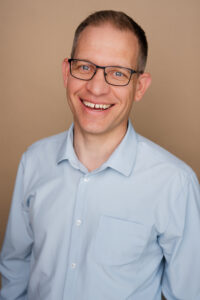
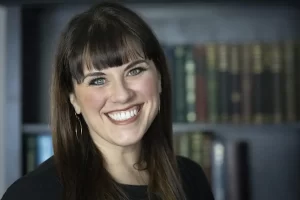
Paul is a Licensed Clinical Mental Health Counselor and Certified Group Psychotherapist who specializes in group therapy. He earned his Ph.D. in Counselor Education from Oregon State University in 2022 and his M.Ed. in Counseling from the University of Utah in 2010. Dr. Callister has extensive clinical experience in diverse settings including the Utah State Prison, community mental health, and private practice. He currently owns and operates Utah Group Therapy Center and Bountiful Counseling in Bountiful, Utah, where he leads weekly interpersonal process groups using a modern group analytic approach. Dr. Callister is training at the Center for Group Studies in New York City, holds the Certified Group Psychotherapist credential, and teaches group counseling in the CMHC program at Utah Valley University. His work is grounded in the belief that the group becomes a living laboratory for life, where learning to engage authentically, navigate conflict, and risk connection creates change that extends far beyond the therapy room.

Presentation: We Don’t Heal in Isolation – The Power of Group Connection in Trauma Recovery

Group therapy is uniquely positioned to support trauma recovery because it offers something individual therapy cannot: real-time relational experience. Yet many clinicians struggle to move groups beyond a series of individual check-ins toward meaningful member-to-member connection. This presentation introduces the bridging technique, a foundational group facilitation skill that helps therapists shift the focus from leader-member dialogue to authentic interaction between group members. Participants will learn how bridging fosters emotional engagement, reduces isolation, and transforms the group into a living interpersonal system where relational patterns can be experienced, understood, and reshaped. Through a live demonstration group, attendees will observe how intentional interventions can deepen connection, invite vulnerability, and support co-regulation in ways that are consistent with trauma-informed principles of safety, trust, and empowerment. The session will conclude with a structured debrief, clinical application discussion, and time for questions, equipping clinicians with practical tools to help their groups become spaces where healing happens in relationship, not in isolation.
TICN May 2025 Presentation: Unlock the Power of the Deep Brain – An Introduction to Infra-low Frequency

By Uncategorized No Comments

Presenter: Carrie Scott, MSC, LCMHC; Tawna Loveless, Assistant Neurofeedback Program Director & Technician

Carrie Scott, MSC, LCMHC, is a trauma-informed licensed Clinical Mental Health Counselor and the Neurofeedback Program Director at Healing Pathways Therapy Center. She is also the founder and owner of Utah NeuroWellness Clinic, where she specializes in integrating neurofeedback into trauma recovery and mental health care. Carrie brings a wealth of clinical experience and a deep commitment to practitioner training through her work with the Neurofeedback Advocacy Project, equipping practitioners nationwide with practical, outcomes-based neurofeedback tools. Her work bridges cutting-edge neuroscience with practical therapeutic application and reflects a deep commitment to nervous system regulation, trauma treatment, and advancing the field through accessible training and mentorship.

Tawna has a lifelong passion for health and well-being, believing that optimal health is achieved through a balanced approach to mental, physical, and spiritual health. With a deep commitment to understanding the human experience, she continually seeks new knowledge to enrich her practice.

With a bachelor’s degree in Community Health Education and specialized training as a Neurofeedback Technician in the Othmer Method, Tawna has treated over 4,000 clients in individual sessions. She has developed various training programs and is a strong advocate for cultural diversity, shaped by her global travels and connections with individuals from diverse backgrounds. Tawna works effectively with people of all ages and backgrounds, helping them achieve lasting well-being.

Presentation: Unlock the Power of the Deep Brain – An Introduction to Infra-low Frequency

Are you ready to help yourself or your clients stabilize, heal, and thrive from the foundation up? Join Carrie Scott, CMHC, Neurofeedback Program Director, and Tawna Loveless, Assistant Neurofeedback Program Director, for a dynamic introduction to Infra-Low Frequency (ILF) HD Neurofeedback — a powerful evolution in brain-based therapy. In this engaging session, you’ll discover:

-How ILF HD neurofeedback uses the brain’s slowest rhythms to promote deep physiological calming and stabilization.

-Why infra-low frequencies (0.05 Hz and below) are critical for regulating higher brain functions and restoring homeostasis.

-Why ILF HD neurofeedback plays a critical role in the treatment of trauma.

-Clinical examples showing how ILF HD can help with psychosomatic symptoms, anxiety, chronic pain, emotional dysregulation, stress-related disorders, and more.

Whether you’re brand new to neurofeedback or looking to deepen your skills, you’ll leave with a clear understanding of why infra-low frequency neurofeedback is the foundation for transformational brain training and trauma treatment.

TICN May 2025 Presentation: My Wife Told Me to Go to Therapy – Clinical Insights from Our New Book

By Uncategorized No Comments

Presenter: Stacy Lund, HPTC Clinical Director, LCSW; Stephanie Sisson, LCSW

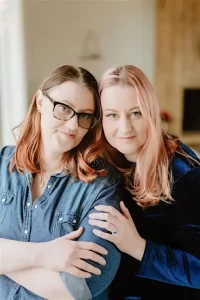
Stacy Lund is the Clinical Director of a trauma clinic in Salt Lake City, Utah. She is a Licensed Clinical Social Worker (LCSW), a Certified Clinical Trauma Professional (CCTP), a trained yoga teacher, and a certified Eye Movement and Desensitization (EMDR) clinician. Stephanie Sisson is a Licensed Clinical Social Worker practicing in Beloit, Wisconsin. She specializes in Grief and Trauma and is EMDR-trained. She has practiced in three states, including Utah, New Mexico, and Wisconsin. Stacy and Stephanie are identical twin sisters raised in Salt Lake City, Utah. They earned their undergraduate and graduate degrees at the University of Utah College of Social Work.

Presentation: My Wife Told Me to Go to Therapy – Clinical Insights from Our New Book

Join us for an engaging presentation and clinical discussion based on our upcoming book, My Wife Told Me to Go to Therapy: A Guide for Men on How to Love the 21st Century Woman. This resource is designed to support men in cultivating emotional intelligence, dismantling harmful gender norms, and becoming more attuned, accountable partners. As clinicians, we know that gender roles, emotional labor, and relational power dynamics are central themes in therapeutic work with individuals and couples. This presentation offers a practical, research-informed look at how these dynamics play out—and how we can support men in moving from defensiveness to curiosity, from disconnection to relational presence.

Presentation Highlights:

-Understanding the impact of emotional labor and the mental load on relational health

-Exploring how patriarchy contributes to relational and intrapersonal distress in men -Facilitating emotional development and accountability in male clients

-Clinical tools and psychoeducation strategies to foster empathy, equity, and connection

This session is designed to deepen our shared understanding and expand our clinical toolkit when working with men, couples, and anyone navigating the complexities of gender and intimacy in contemporary relationships.

TICN January 2026 Presentation: Mind Body Skills Group

By Uncategorized No Comments

Presenter: Erica Astle

I am a certified facilitator through the Center for Mind Body Medicine and I am pursuing my Master’s Degree in Social Work at New Mexico State University. I have 10 years of experience with case management, program management, and nonprofit leadership and I have facilitated Mind Body Skills groups for over three years with parents, professionals, and teenagers. These skills have helped me stay present and regulated in an emotionally demanding career and as a parent to two young toddlers. I love sharing these skills with others and I love the connection that comes from a group setting.

Presentation: Mind Body Skills Group

Mind Body Medicine is about the integration of our physical and mental health: understanding how stress and trauma affect our brains and bodies and what we can do with our minds and bodies to regulate our nervous systems, move through conflict, and regulate our emotions. The foundation of these skills is breathing and mindfulness. These skills also include meditation, drawing as a form of reflective journaling, guided imagery, movement, autogenics and biofeedback, and mindful eating.

New Hope for Depression

By Uncategorized No Comments

New Hope for Depression

Author: Zachary Taylor, CRNA

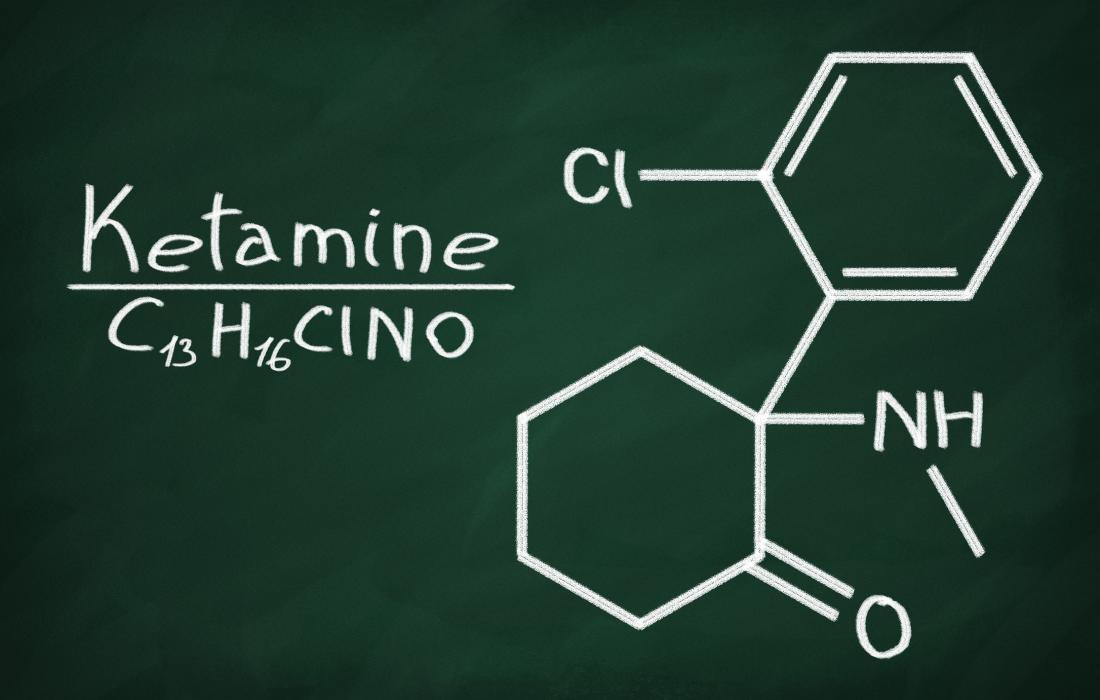
You may have heard about the use of an anesthetic drug normally used in the operating room now being used for the treatment of depression. The name of the drug is ketamine. This well established and used drug is finding a new application in the treatment of depression and other mental illnesses. Time magazine featured ketamine on the cover of their August 2017 issue with a leading article titled “New Hope for Depression”. In the article Time magazined highlighted those who struggle to find relief with traditional medications, the history of ketamine, as well as a testimonial of a woman who had finally found relief from her depression with the use of ketamine.

Read More

Trauma education and mindfulness help youth living amid gun violence

By Uncategorized No Comments

Author: Laura Godenick, TICN Program Coordinator

Armon Hurst is a student at Castlemont High School in Oakland, CA. He is the vice president of the student body, has a 4.0 GPA, loves to play baseball, and is set up to go to college next year. But, he wasn’t always so successful. A few years ago in 2016, Hurst was exposed to gun violence and for a while afterwards, he was having trouble sleeping, eating consistently, and concentrating in school. It wasn’t until Hurst had a conversation with a staff member of YouthAlive!, a nonprofit focused on developing youth leadership as well as preventing gun violence and helping to heal those who have been exposed to it, that he was able to recognize and begin to heal his own trauma.

Read More

New Health Resiliency Stress Questionnaire debuts for pediatricians, family practice, internal medicine… but anyone can use it

By Uncategorized No Comments

Author: Susie Wiet

It was when I had a conversation with Dr. Tasneem Ismailji, a pediatrician visiting from the San Francisco Bay area, about the importance of letting primary care practitioners know that resiliency from trauma was indeed possible that the idea arose to create the tool. It is called the Health Resiliency Stress Questionnaire (HRSQ). The goal of the HRSQ is for it to be easy and quick to complete by patients and an easy way for the provider to see patterns and respond accordingly. One of the main functions of the HRSQ is to help practitioners ask some tough questions to the patient and for the patient to feel heard. The effect that negative emotional states have on the health and wellbeing of the physical body has been researched extensively. It has been shown how simply being listened to, heard, and validated can be tremendously healing.  Read More

Inflamed Bodies, Depressed Minds

By Uncategorized No Comments

Author: Laura Godenick, TICN Program Coordinator

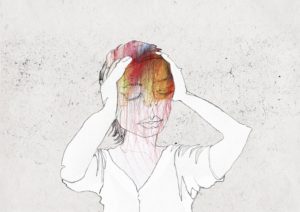
In this article, Ed Bullmore, psychiatrist and neuroscientist based in Cambridge, UK, speaks on the new and somewhat controversial research of neuro-immunology or immuno-psychiatry. Neuro-immunology focuses on the immune system’s effect on the brain through interacting with the nervous system while immuno-psychiatry investigates how mental health is affected by the immune system. Ed relays his experience of how depressed he felt after getting a root canal surgery. He discusses the mental leap from blaming his thoughts for his mood to discovering the possibility that it could actually be the inflammation in his body’s immune system that was responsible for his depressed state of mind. He calls this phenomena “the inflamed mind” and argues that depression could be a direct result of inflammation of the body.

Read More