
Presenter: Stacy Lund, HPTC Clinical Director, LCSW; Stephanie Sisson, LCSW
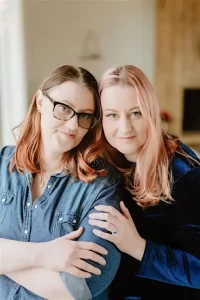
Stacy Lund is the Clinical Director of a trauma clinic in Salt Lake City, Utah. She is a Licensed Clinical Social Worker (LCSW), a Certified Clinical Trauma Professional (CCTP), a trained yoga teacher, and a certified Eye Movement and Desensitization (EMDR) clinician. Stephanie Sisson is a Licensed Clinical Social Worker practicing in Beloit, Wisconsin. She specializes in Grief and Trauma and is EMDR-trained. She has practiced in three states, including Utah, New Mexico, and Wisconsin. Stacy and Stephanie are identical twin sisters raised in Salt Lake City, Utah. They earned their undergraduate and graduate degrees at the University of Utah College of Social Work.
Presentation: My Wife Told Me to Go to Therapy – Clinical Insights from Our New Book
Join us for an engaging presentation and clinical discussion based on our upcoming book, My Wife Told Me to Go to Therapy: A Guide for Men on How to Love the 21st Century Woman. This resource is designed to support men in cultivating emotional intelligence, dismantling harmful gender norms, and becoming more attuned, accountable partners. As clinicians, we know that gender roles, emotional labor, and relational power dynamics are central themes in therapeutic work with individuals and couples. This presentation offers a practical, research-informed look at how these dynamics play out—and how we can support men in moving from defensiveness to curiosity, from disconnection to relational presence.
Presentation Highlights:
-Understanding the impact of emotional labor and the mental load on relational health
-Exploring how patriarchy contributes to relational and intrapersonal distress in men -Facilitating emotional development and accountability in male clients
-Clinical tools and psychoeducation strategies to foster empathy, equity, and connection
This session is designed to deepen our shared understanding and expand our clinical toolkit when working with men, couples, and anyone navigating the complexities of gender and intimacy in contemporary relationships.